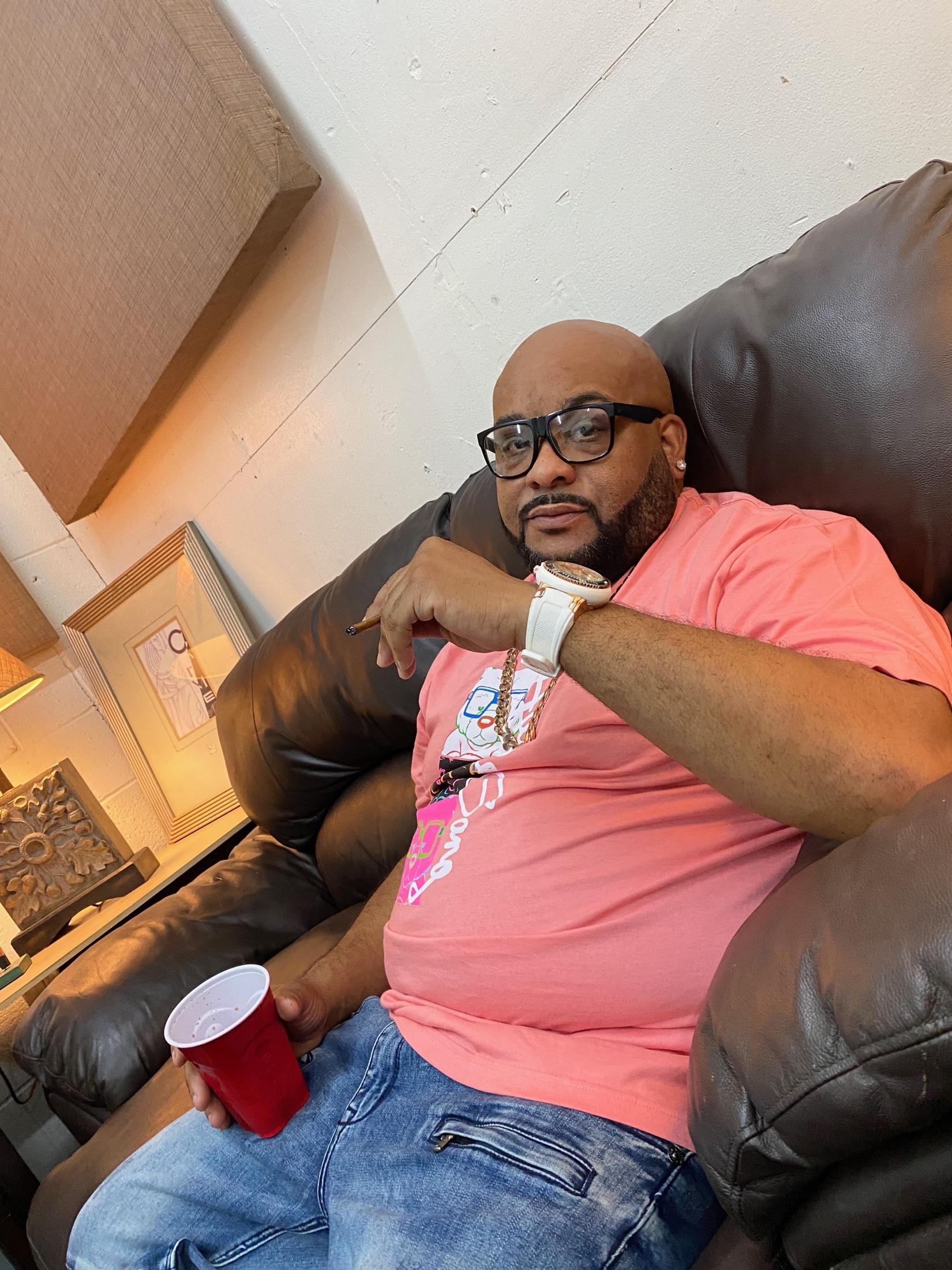
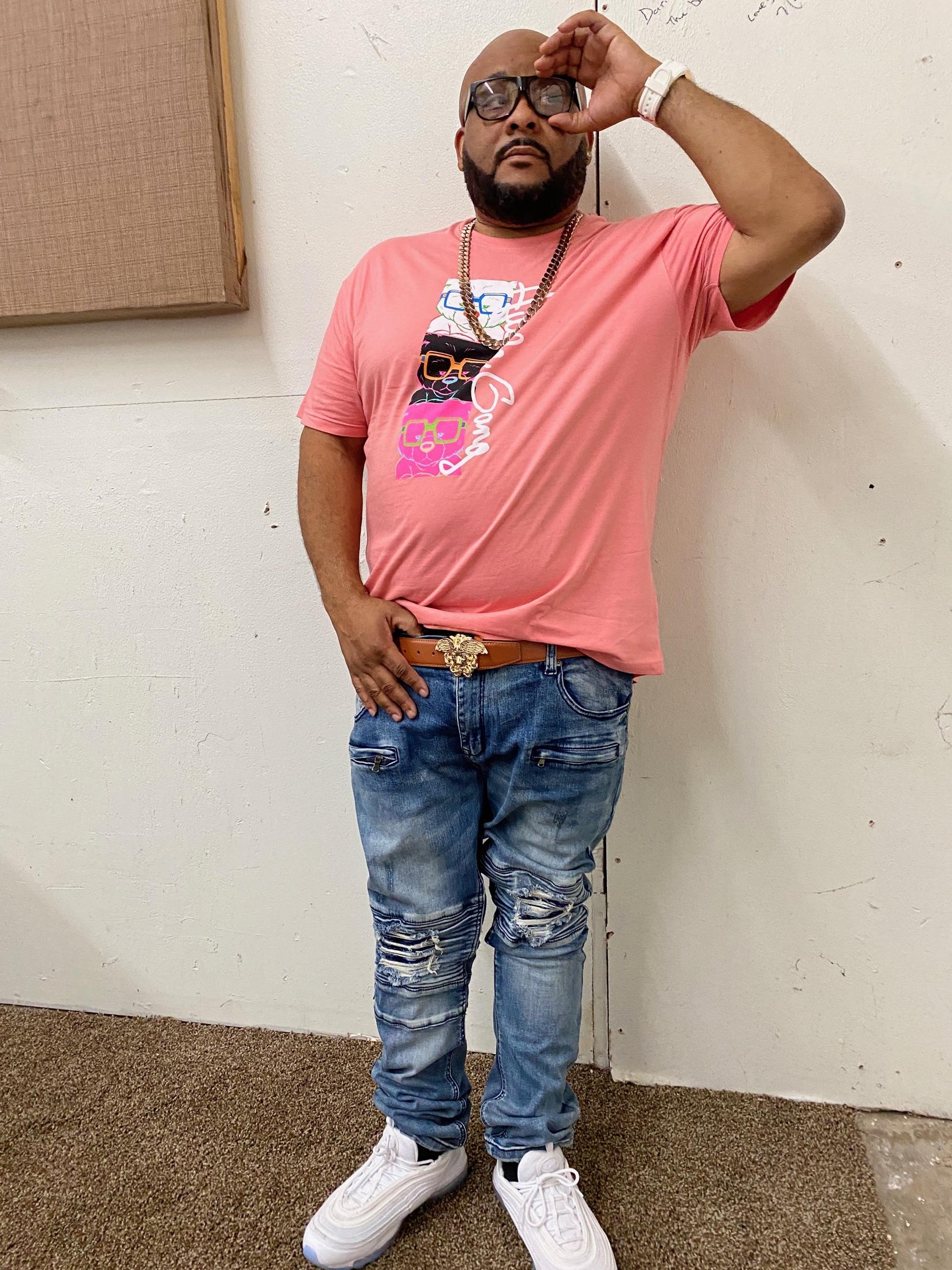
Boogie Taylor (aka Boogieman) is a hip hop and trap soul artist with a sound that refuses to stay in one lane. Mixing 80s rock textures, 808-heavy trap energy, and smooth R&B grooves, Boogie brings an eclectic sound that feels both nostalgic and new. His music has found its way onto major screens and networks—from Texas Chainsaw Massacre to Keeping Up with the Kardashians, Live with Regis and Kelly, BET, and Discovery. Always evolving, Boogieman blends emotion, grit, and melody into music that is raw, cinematic, and straight from the soul.
This page begins with what Darius recorded in his own words. The control room is where he can reshape, expand, or replace any part of it later.
The recordings now provide the starting story. Darius can use the control room to edit the words, add names, connect photographs, and build each chapter into a longer feature.
The throughline
Emotion, grit, melody—and the freedom to follow the record wherever it goes.
Boogie’s sound has never belonged to a single moment. The drums hit with the weight of trap. The melodies carry R&B feeling. The textures reach back to 80s rock, then pull everything into something cinematic and his own.
This site is being built the same way: not as a campaign for one single and not as a museum, but as a living landing pad. Credits, collaborators, alternate mixes, photos, and memories add context without making age the marketing story.
Recovered from Darius
The story starts in rooms, relationships, and moments that changed the direction.
The first room
The Green Light Sessions
Friends searching for beats led to a home-studio room and a green-bulb cypher where freestyling, listening, and being accepted as a rapper opened the door to a wider Dallas–Fort Worth creative circle. Individual names can be added as their spellings and stories are confirmed.
The people in the sound
The Four Horsemen
The music was shaped by contrasting creative minds. One pushed funk, jazz, and electronic color. One brought dark experimental precision and boom-bap discipline. One helped orchestrate ideas and story. Together, producers, engineers, friends, and confidants pushed Darius to finish, experiment, and become more dangerous on the microphone.
Voice meets picture
The first screen moment
Hearing his own voice in Texas Chainsaw Massacre felt surreal and transcendent. Later television uses—including Keeping Up with the Kardashians and network placements—proved the records could move through a scene as naturally as they move through speakers. Exact episodes and cue details will be added as the paperwork is recovered.
Where the pictures come from
Studio places. Time with friends. Real consequence.
The honest visual world is not a generic rule about candid versus staged photography. It comes from rooms where the music changed, people who made the work possible, retro hip-hop fashion, and images that carry real impact. Every photograph can still be moved, captioned, or replaced from the website editor.
Beyond the recording
The Godfather. Goodfellas. Heat. Then his own frame.
Gangster cinema helped shape Darius’s sense of scale, tension, character, and atmosphere. That instinct already lives in the records and points forward toward filmmaking, screenwriting, documentary work, and a larger cross-media Boogie Taylor world.
Influence constellation · music and visual references
A cornucopia—not one niche.
These names are reference points Darius gave us, not artwork to copy and not a box around the sound. Hip-hop, rock, soul, opera, crews, solo voices, Southern lineage, and unforgettable cover walls all belong in the same creative field.
Rappers’ rappers
Scarface · Kool G Rap · Redman
Southern lineage
UGK · Pimp C · Bun B · 8Ball & MJG · Geto Boys · OutKast · Organized Noize